

Chapter 04
04Guiding Principles
4.1More Than a Mindset
Behind every achievement, there is an idea that came first. And long before a vision becomes reality, there is a belief that shapes every decision along the way. Those beliefs are rarely visible to the outside world, yet they quietly influence the choices people make. The same has been true throughout my life. My work in artificial intelligence, cybersecurity, and cognitive security was never driven by technological progress alone. Behind every framework lies a simple philosophy; the strongest systems are those that perform their role so naturally that people become free to focus on what truly matters. I describe that way of thinking as Invisible Engineering.
In the early years of my career, success was measured by reliable infrastructure alone. Today, success is measured by a different standard; it is reflected in the ability to build environments where people can think independently, and it is found in creating systems that empower rather than control. The pages that follow explore the principles that have guided my life through every season of growth. They reveal the beliefs behind my path as an engineer and researcher, and offer a deeper understanding of the values that continue to shape both my work and my view of the future.
We generally develop a set of principles that become difficult to negotiate. They are not written down or displayed for others to see; they reveal themselves through the choices made when the right answer is not always the easiest. For me, one principle has remained unchanged: technology must always serve people, never the reverse. Whenever I evaluate a system or consider a new idea, I return to a simple question: will this strengthen people’s ability to make their own decisions, or will it take that freedom away? If the answer leans towards control rather than empowerment, I believe the design needs to be reconsidered.
4.2Clarity Under Pressure
In periods of pressure, confidence does not come from guesswork or hurried decisions; it comes from preparation. Disciplined thinking provides a reliable foundation when unexpected challenges appear. Rather than reacting to the noise around me, I rely on structures that have already been tested and refined, allowing a clear decision to be made. These beliefs are captured in a phrase that has become a principle I return to again and again: “engineer the invisible to secure the impossible”. Those words reflect far more than a professional philosophy; they express the way I approach life itself.
Some choices promise immediate results but create complications later. Others demand patience, asking for faith in a direction whose outcome cannot yet be seen. Whenever I find myself at such a crossroads, I return to a set of questions that have guided me throughout my career: will this choice strengthen autonomy? Will it protect the people who depend on it? Will it remain reliable long after the excitement of a new idea has faded? If the answer is yes, the path usually becomes clear.
Rather than becoming discouraged by setbacks, I pause and start again from the foundation. Every unnecessary layer is removed until the real problem stands clearly in view, and only then does the rebuilding begin. The goal is never to recreate what existed before, but to create a version that is stronger and better prepared for whatever comes next. This habit of returning to first principles has shaped the way I approach both life and technology. Of the many insights I have gained over the years, one stands above the rest: the greatest challenge of the future lies at the meeting point of human and artificial intelligence.
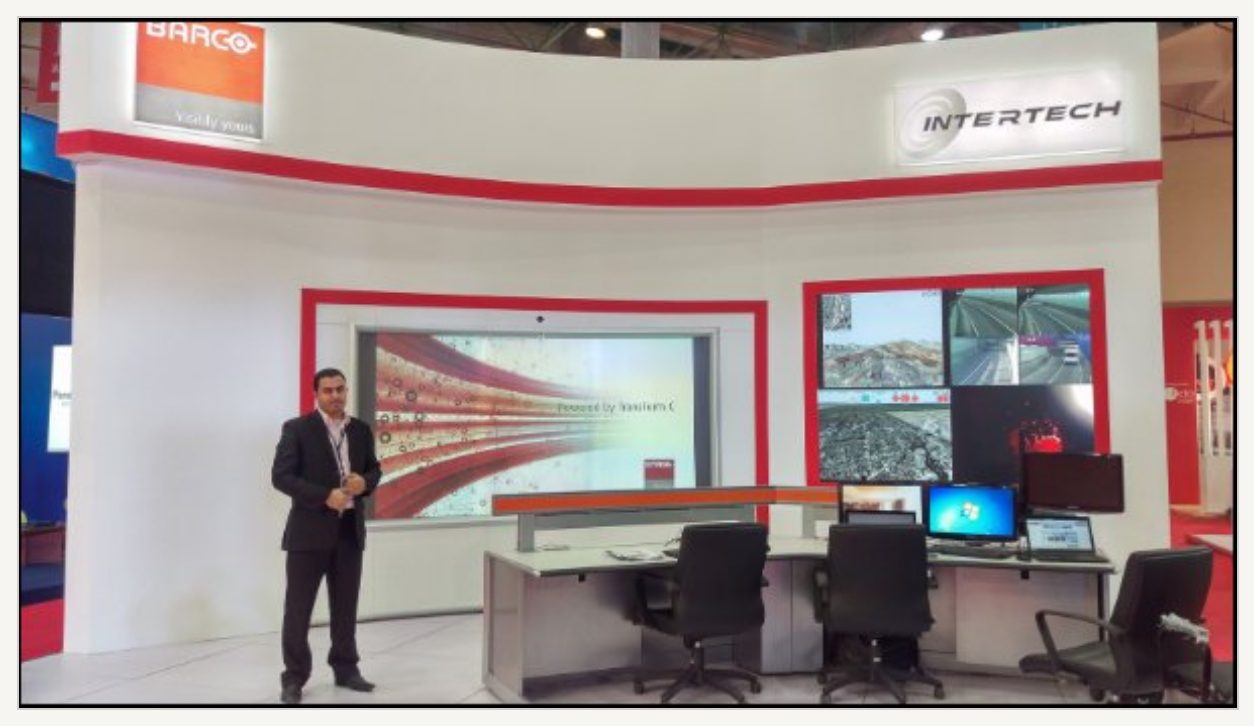
Early in my career, I placed great faith in traditional perimeter security. At the time, it represented the accepted way of protecting digital infrastructure. Yet as technology evolved, those rigid models began to reveal their limits. Systems that once seemed trustworthy struggled to keep pace with increasingly sophisticated threats. Rather than accepting those weaknesses as inevitable, I treated them as an invitation to rethink the entire approach. The experience strengthened my belief that resilient security could no longer depend on fixed boundaries; it needed to become far more adaptive. That conviction eventually guided my work on software-defined architectures and Secure Access Service Edge (SASE) frameworks.
4.3The Balance That Matters
Away from professional responsibilities, I find satisfaction in much simpler moments. Peace of mind comes from knowing that my family is safe, whatever tomorrow may hold. Their wellbeing remains the greatest source of happiness in my life, giving meaning to the work I do every day. That same desire to provide stability extends beyond my home. I find the greatest satisfaction in being someone others can rely on. Creating trust in difficult moments and helping people move forward with reassurance are the contributions I value most.
I believe the future of artificial intelligence must be shaped with the same care that earlier generations devoted to building the physical world. My work on the cognitive shield reflects that commitment. It represents my vision of artificial intelligence that supports people while preserving their ability to think independently and make their own choices. This conviction also influences the way I view success. Many people see success as the pursuit of ever-greater achievements; I see it differently. Real success brings a sense of peace because it is built on preparation rather than uncertainty.
One capability has remained especially valuable throughout my career. From the beginning, I was drawn to the technical side of engineering, and then another dimension gradually came into focus: behind every piece of technology stood a person who depended on it without necessarily understanding how it worked. That realisation shaped much of my research and eventually influenced the direction of my work in human-centric AI governance. Bringing those two worlds together became one of my greatest strengths. The years I spent studying cognitive security also changed the way I see human behaviour. Human intelligence is remarkably creative and capable of solving extraordinary problems; at the same time, it can be manipulated in ways that are not always obvious.
4.4Wisdom Worth Passing On
A conversation with my younger self would probably be full of surprises. As a young engineer, I would never have imagined that my life’s work would eventually centre on understanding people as deeply as understanding technology. The questions changed, but the curiosity stayed the same. Instead of asking how to make machines more intelligent, I now ask how to protect intelligence itself in a world where humans and machines continue to learn from one another. At its best, innovation should never take people further from their humanity; it should help preserve it.
Experience has taught me that one of the greatest responsibilities of the modern age is protecting what cannot easily be replaced. In today’s connected world, personal information, independent thought, and the freedom to make informed decisions are valuable assets. Once surrendered carelessly, they become far harder to recover. This belief extends beyond technology; it is equally relevant to the choices people make. The better we understand the foundations that support our lives, the better prepared we are to make decisions that reflect our own values rather than simply following the path others have set.
If I were speaking to the young engineer who once stood at the beginning of his career, my advice would be both practical and timeless: keep life simple. Do not mistake complexity for progress. Remove what no longer serves a meaningful purpose. Build with care. Strengthen the foundations before reaching for greater heights. Clarity will always prove more valuable than unnecessary complication. These principles guided me from the first circuits I explored as a child to the human-centred frameworks I continue to develop today.
Of all the principles I hope to pass on, one stands above the rest: cognitive freedom. For me, this means preserving the freedom to question, to think, and to make independent choices. Artificial intelligence can become an extraordinary partner in human progress. Technology reaches its highest purpose when it informs, assists, and protects while leaving the final decision in human hands. If my philosophy were summarised in a single sentence, it would be this:
“Engineer invisible resilience to protect human will.”
Those words are more than a personal motto. They capture the thread that runs through every chapter of my life; from a curious boy taking apart household electronics to a researcher exploring the frontiers of human-centric artificial intelligence. My purpose has remained remarkably consistent: build with care. Protect what matters most. Create a future in which innovation expands human potential while preserving the freedom that makes us human.
Tip: use ← → to move between sections.