

Chapter 03
03Beyond the Visible
3.1Redefining Impact
Every career reaches a point where success is measured differently. At the beginning, progress is defined by qualifications earned and projects completed. Over the years, the focus begins to change, and the more important question becomes simply: what did your work change? That question sits at the core of my career. My contributions extend beyond designing secure systems or leading technology initiatives; they reflect a broader vision of how artificial intelligence evolves alongside humanity. I have never seen security as merely a technical barrier around machines. In an age where autonomous AI can influence decisions, protecting human will has become central to my work.
Among my most significant contributions is the development of the Unified Cognitive Security Maturity Model. The framework combines the established principles of information security with emerging approaches that address the cognitive and psychological dimensions of artificial intelligence. It reflects years of research, and it expresses the belief that technology should strengthen people’s capacity to choose. This work rests on a philosophy that has remained constant throughout my career. The pages that follow explore how these ideas moved from theory into a wider conversation about the future of responsible artificial intelligence.
Those who have worked alongside me rarely speak about technology first; they remember the way I handled difficult situations. When unexpected challenges appeared, I brought a sense of clarity into the room. Rather than letting pressure dictate decisions, I encouraged careful, practical thinking. That approach proved invaluable during major initiatives, from recovering critical infrastructure to supporting organisational growth across new regions. Every project demanded considered leadership, but my focus remained unchanged: build systems people can trust, and help teams perform with confidence even in uncertain conditions.
The same philosophy shaped the technologies I introduced. Deploying the ISD portal and the organisation’s Secure Access Service Edge (SASE) framework transformed the way people interact with their digital environment. Instead of asking employees to adapt constantly to complex systems, the technology was designed to work naturally in the background, allowing them to focus on their responsibilities rather than the tools that support them.
3.2Purpose Before Progress
As artificial intelligence became more deeply rooted in society, my research and professional work began to address a broader challenge. The conversation was no longer limited to protecting data or infrastructure. Through my work in cognitive security and AI governance, I have continued to advocate for technology that empowers people while preserving their freedom to think independently. Every contribution, whether technical or strategic, reflects the same purpose: innovation achieves its greatest value when it strengthens the people who depend on it.
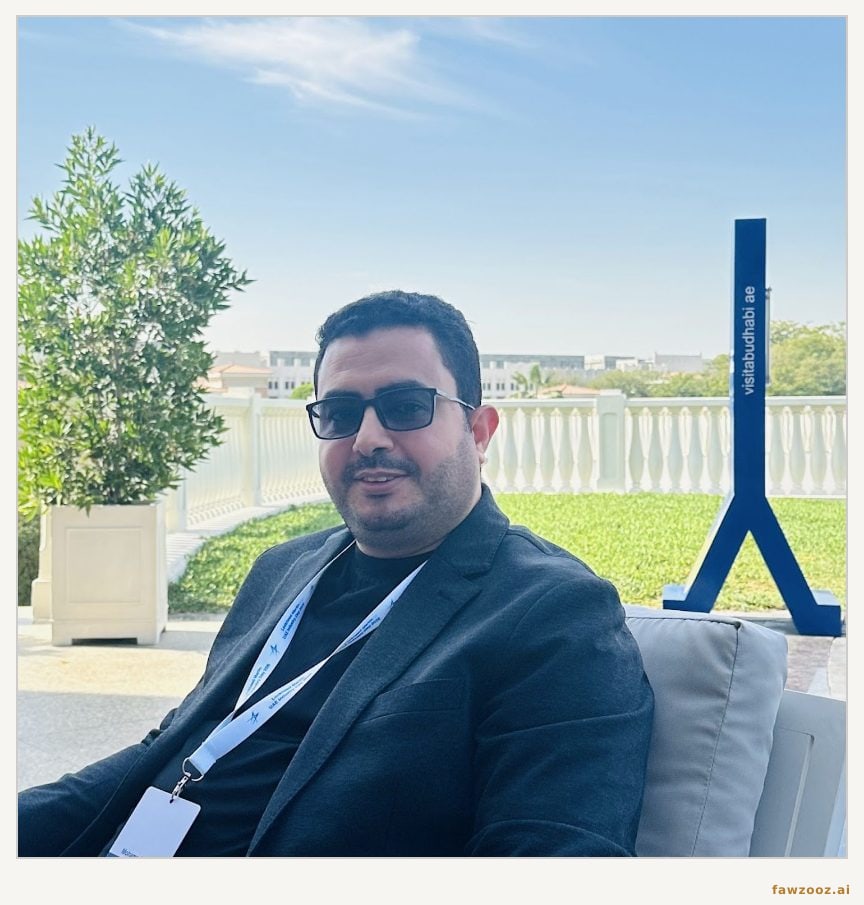
Innovation has never meant chasing every new trend. Whenever a new technology appeared, my first instinct was not to ask what it could do. I asked instead: does it genuinely solve a problem? Can it be trusted? Will it serve people well over the long term? That way of thinking shaped every decision I made. I believed that resilient systems begin with strong foundations. Every architectural decision had to justify its place within the larger design. This philosophy became especially meaningful as artificial intelligence advanced at an extraordinary pace.
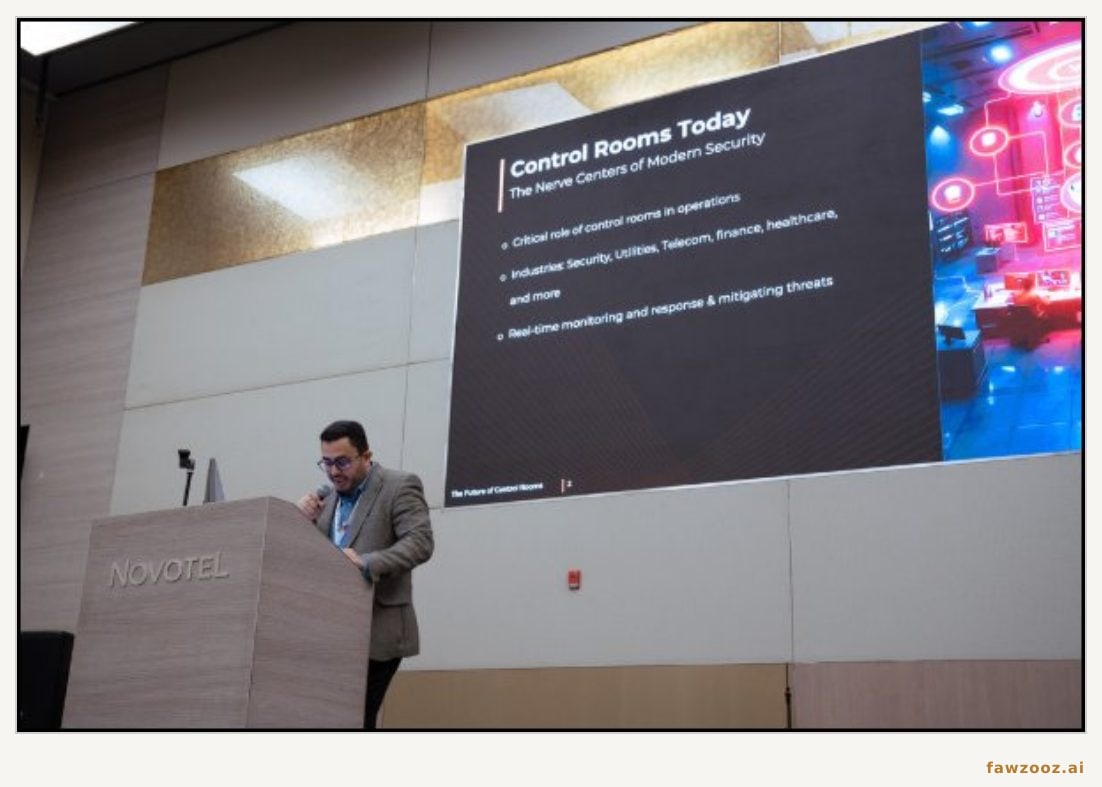
While many organisations focused on adopting artificial intelligence as quickly as possible, I focused on ensuring that these systems could be governed responsibly. My doctoral research turned the concept of cognitive shields from an emerging idea into a structured framework organisations can implement. One of the boldest decisions of my career came when I accepted the dual responsibilities of Chief AI Officer (CAIO) and Chief Information Security Officer (CISO). At first glance, the two roles appeared to pull in opposite directions; one encourages innovation and exploration, the other demands caution. I saw no contradiction; I believed that the strongest artificial intelligence would always be built with security as part of its foundation, rather than added once development is complete.
3.3When Academia Recognises Practice
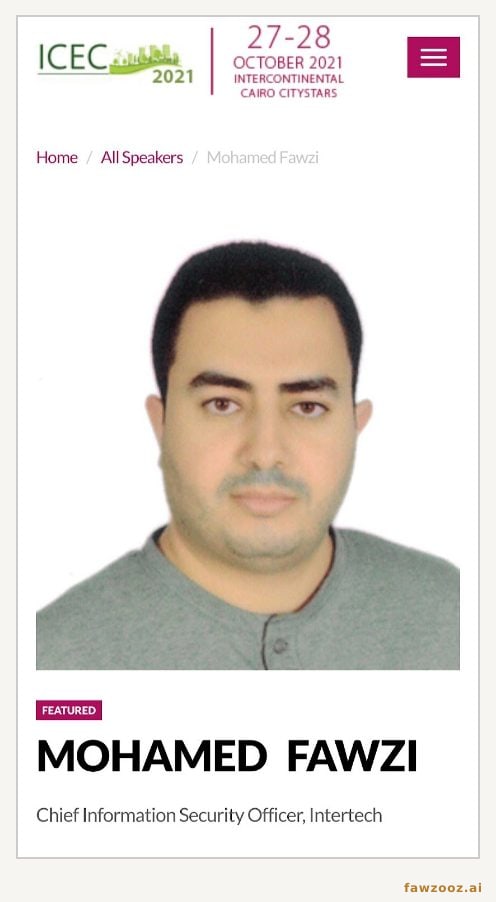
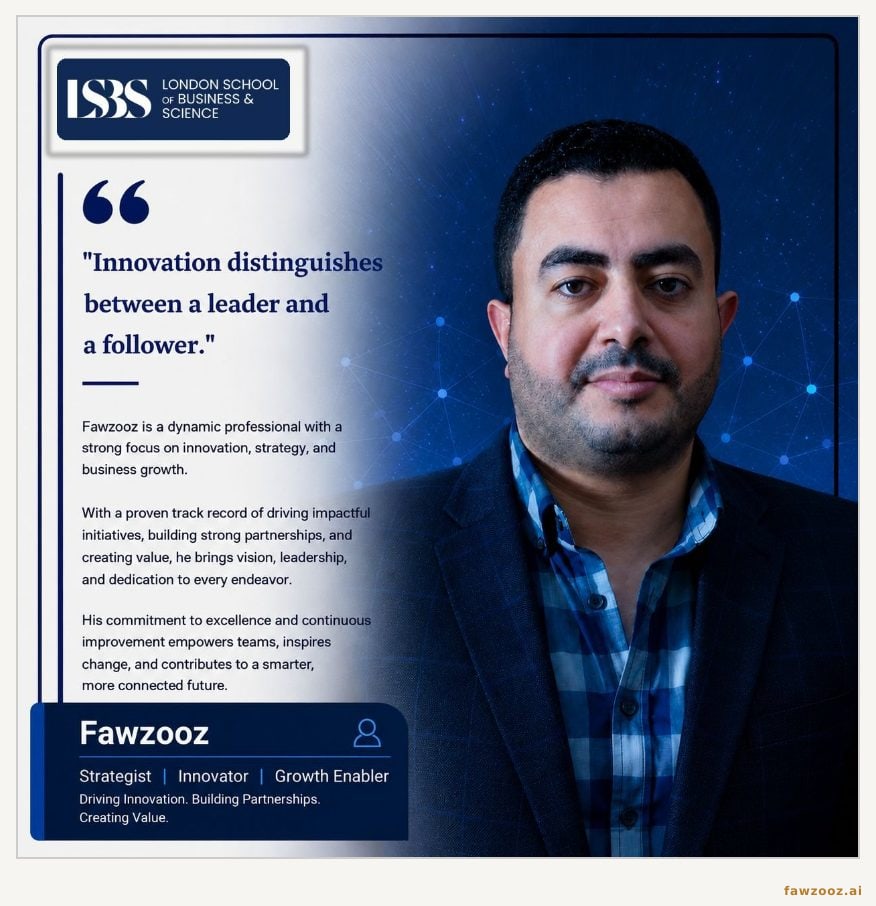
In 2026 two academic recognitions arrived that I had not sought, but they confirmed to me that the road I had chosen — the road of field practice rather than the traditional academic track — holds a value that reads beyond the boundaries of the projects I completed. The London School of Business & Science awarded me an Honorary Doctorate in Strategic Leadership in Cognitive Security and Human Dynamics. And Dunster Business School in Switzerland awarded me, alongside a Professorship, the title of Professor of Practice in Holistic Leadership for Continuous Software Innovation.
What matters to me in these two honours is not the title itself, but their wording: “cognitive security and human dynamics”, and “holistic leadership for continuous innovation”. Both place the human being at the heart of the technical equation — which is precisely what I have defended since the first operations room I ever entered. For academic institutions to come and give this work that name means the idea is no longer an individual effort, but a recognised field. And the responsibility after the honour is heavier than it was before.
3.4The Architect of Growth
Leadership, in my view, was never about standing at the centre of attention; its real purpose is to create an environment in which others can succeed. Throughout my career, colleagues have recognised a quality that defines the way I lead. When situations become uncertain, I meet them with patience. By absorbing the uncertainty myself, I allow those around me to focus on moving forward with confidence. My role extended beyond making technical decisions; it was about creating the conditions that enabled people to perform at their best. Perhaps that is why the word “architect” resonates strongly with me and with those who know me; the structures I build are more than technical frameworks, they are environments of trust.
Some mentors teach from a stage; others teach through everyday conversation. I belong to the second group; my guidance is woven into the rhythm of daily work. During project discussions and design reviews, I encourage engineers to look beyond immediate fixes. Conversations become opportunities to think more broadly about the purpose behind every design decision. Many of the engineers who worked with me moved from solving isolated technical problems to understanding how each choice contributes to a larger architectural vision.
“Engineer for silence.”
It is a simple phrase, but it captures the philosophy that has guided much of my career. Technology should support people without constantly demanding their attention. When systems perform their role naturally and securely in the background, users are free to focus on their own work. This belief also shapes my understanding of empowerment. Empowering others means creating an environment in which they have the confidence to make decisions independently. Watching others grow in that environment remains one of the most rewarding aspects of my leadership.
3.5Building for Generations
Throughout my career I have found that changing someone’s life does not always require a grand gesture. Sometimes it begins with creating stability when circumstances feel uncertain. When I reflect on the legacy I hope to leave behind, my thoughts extend beyond technology itself. I hope to be remembered as someone who recognised the emerging cognitive challenges of artificial intelligence before ignoring them became impossible. Among the milestones that carry special meaning, the moment my doctorate was awarded remains particularly significant; it marked the meeting point of theory and practice.
Of the many ideas that shaped my career, one stands above the rest. The concept of the cognitive shield represents far more than a technical framework; it tells the story of a profession that kept evolving alongside a changing world. As intelligent machines become increasingly capable of influencing decisions, protecting human judgement becomes no less important than protecting information itself. The cognitive shield emerged from that conviction, offering a practical way to think about security in a world where the human mind has become an essential part of the digital landscape.
Behind that vision lies a deeply personal story. It begins with a father looking at his young daughter and imagining the world she will one day inherit. Her generation will grow up alongside autonomous systems capable of learning, reasoning, and assisting in ways once thought impossible. That future holds extraordinary promise, but it also demands considered leadership and responsible innovation. When I reflect on the contribution I hope will outlive my career, my thoughts return to a single idea: the future deserves protection that extends beyond technology itself.
My understanding of success has also evolved. Many professions celebrate what can be seen; in cybersecurity, the greatest achievements are often invisible. Success is reflected in systems that keep running without interruption, attacks that never reach their targets, and intelligent technologies that remain trustworthy because the right safeguards were built from the beginning. Perhaps that is the quiet paradox of my life’s work: the more successful I become, the less people need to notice me. They simply experience a safer world, and that, in itself, is the impact I hope to leave behind.
Tip: use ← → to move between sections.